







May 2011. I decided to “walk across Japan” and flew to Kagoshima.
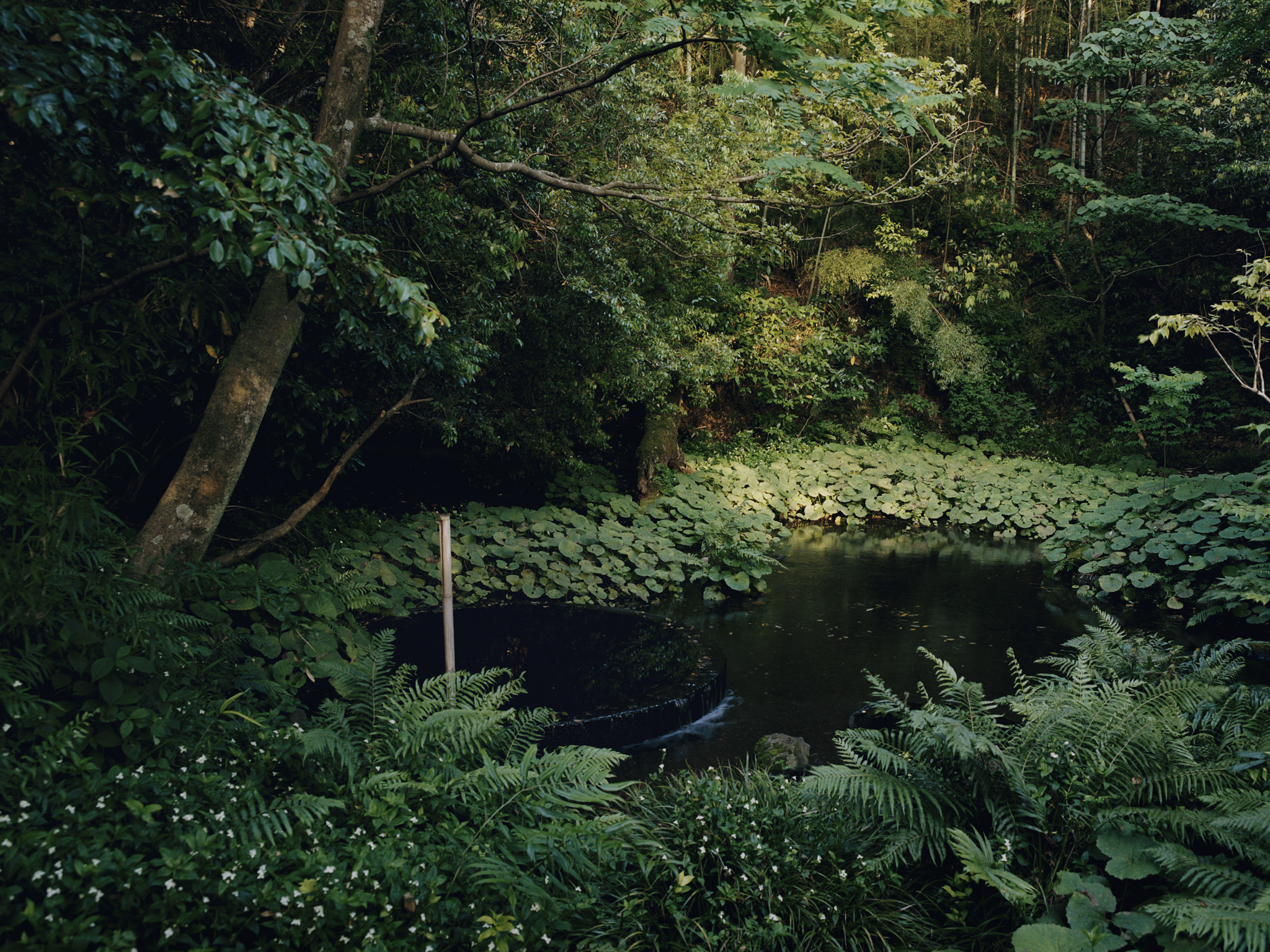
Whether it was the excitement of a new journey beginning or the anxiety lingering from the Great East Japan Earthquake, I couldn’t sleep and simply gazed at the scenery outside the window. As the plane descended for landing, a spring forest spread out below me. The forest in May was beautiful, looking just like a patchwork quilt. The deep green of evergreens and the fresh green of deciduous trees. White chestnut blossoms floating like bubbles. Pale blue-purple mountain wisteria.
I remember thinking suddenly at that moment, “Ah, the mountains are the source of all this abundance.”
Since then, I’ve walked through many different places, and that feeling has become more certain with every journey I’ve taken. Agricultural landscapes, the bounty of the sea, the flow of rivers—all of them spread out with the mountains and forests as their backdrop.
I now feel with certainty that the mountains are where we all began.
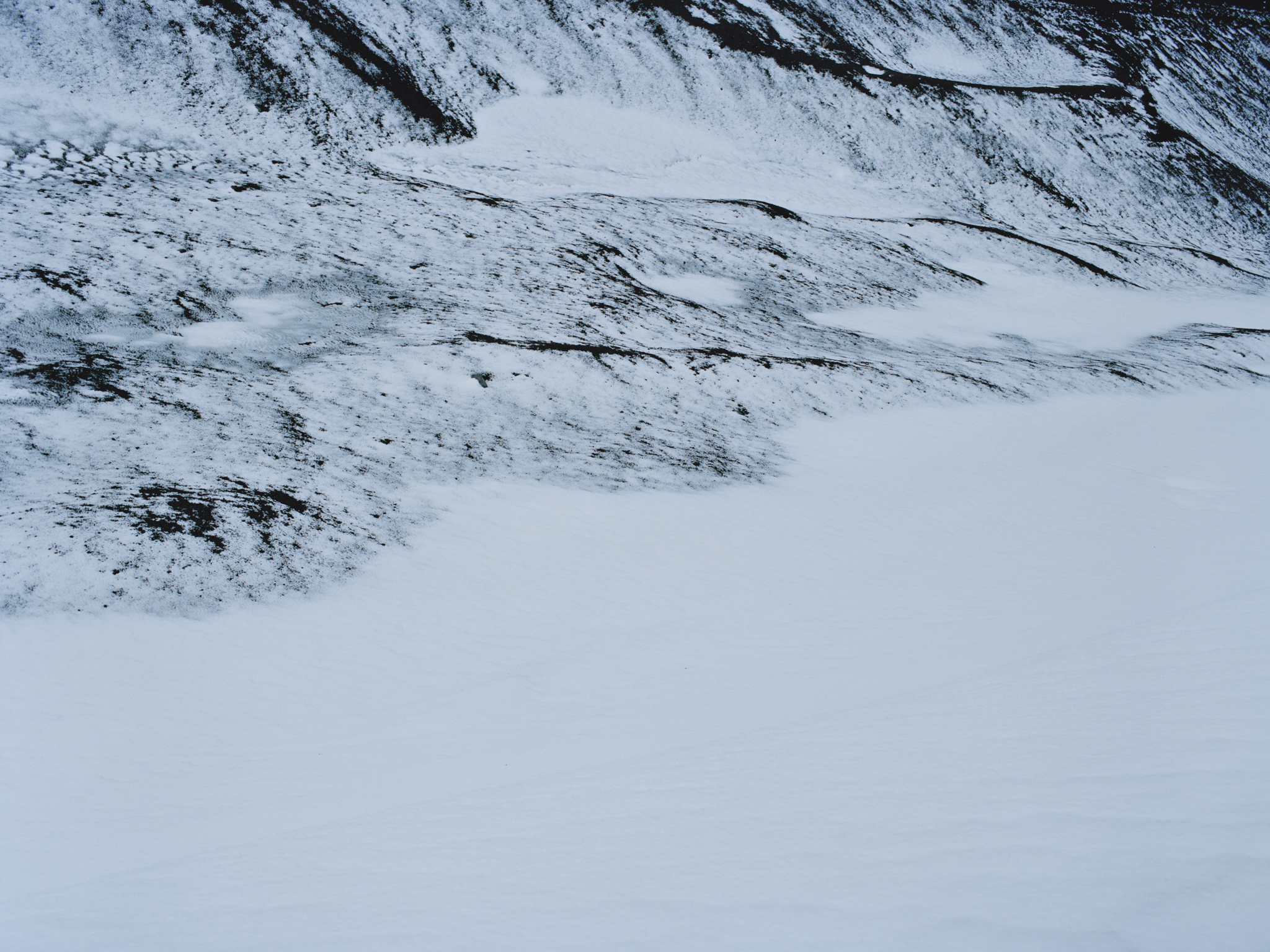
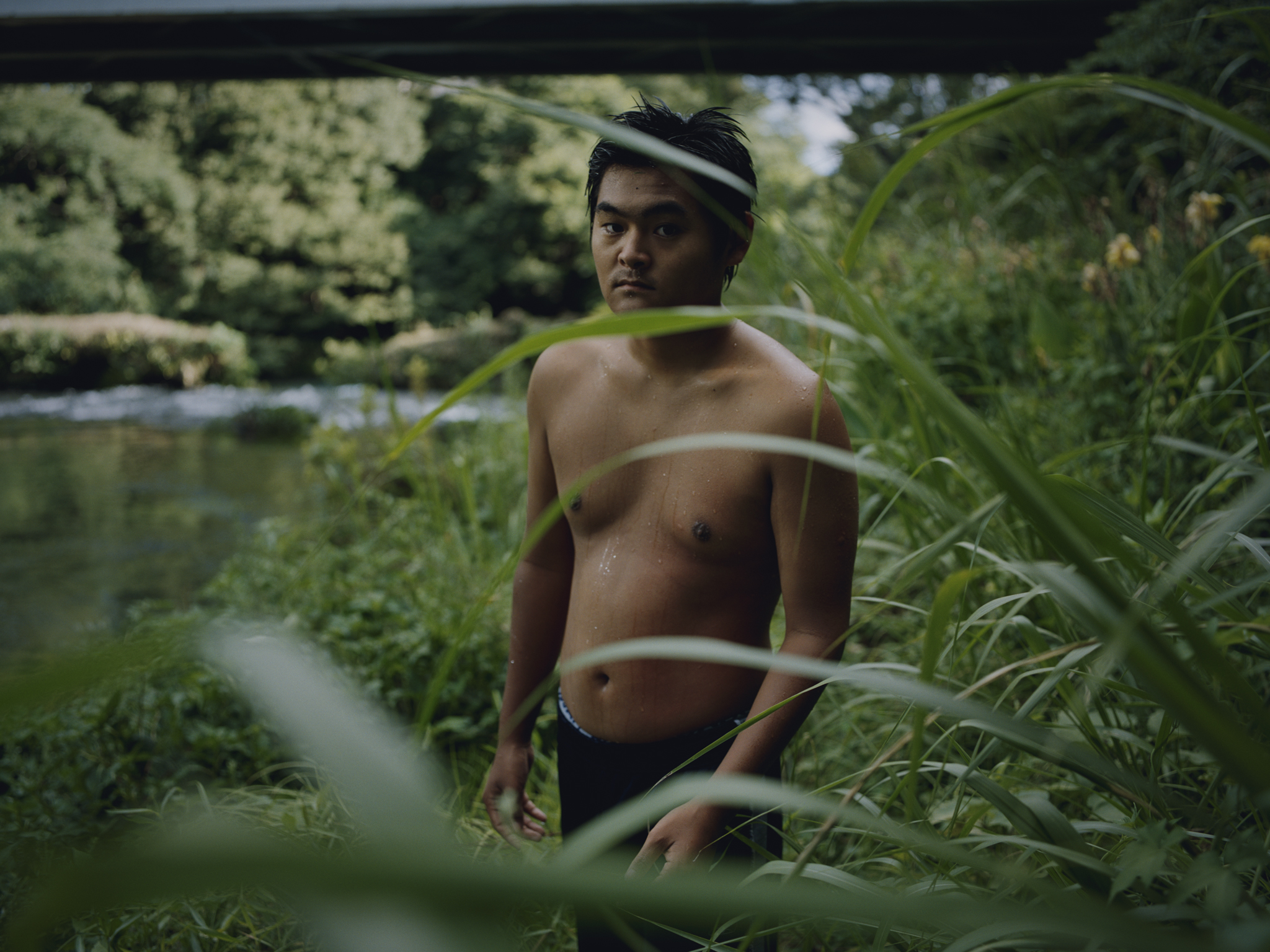
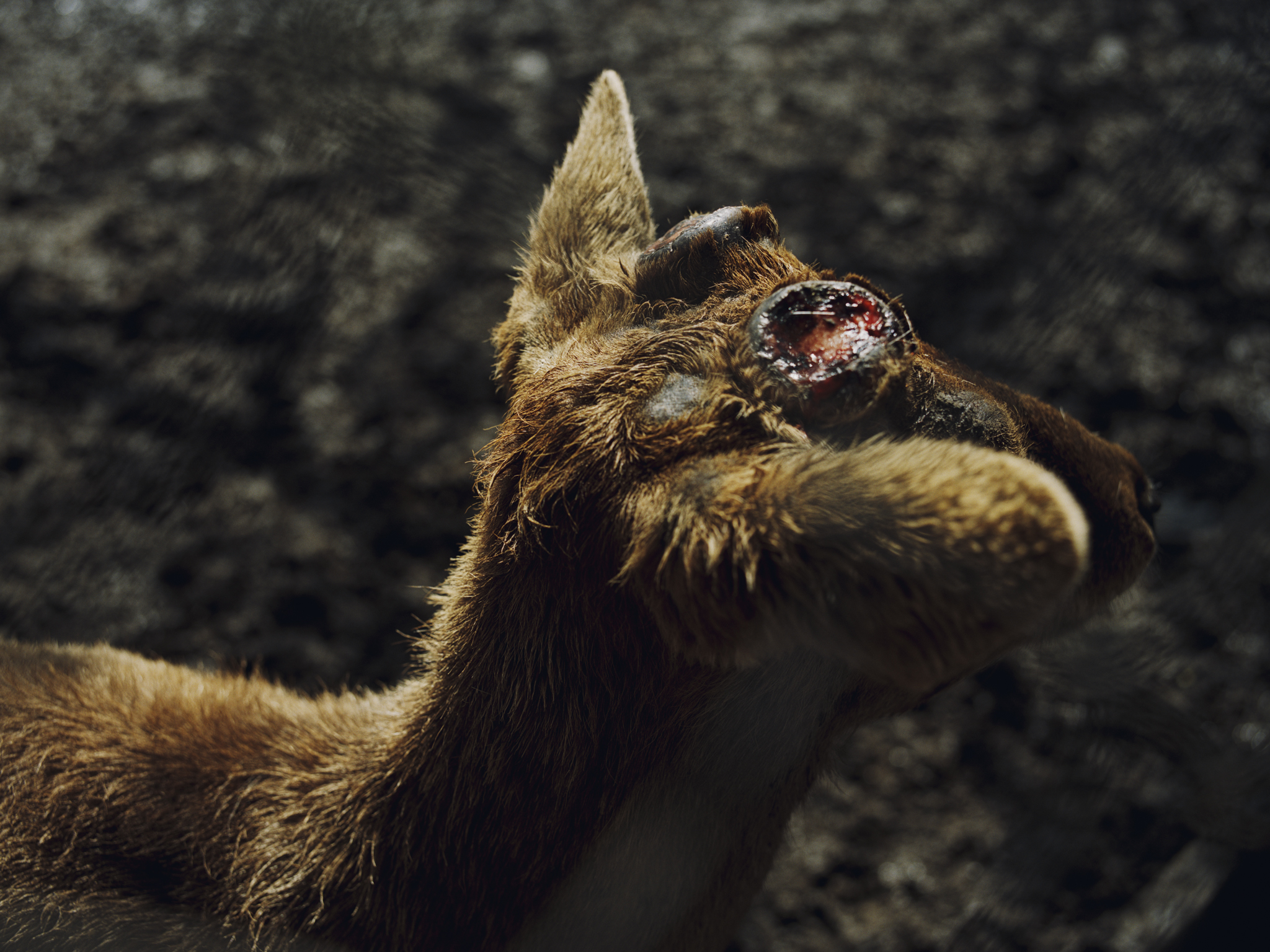
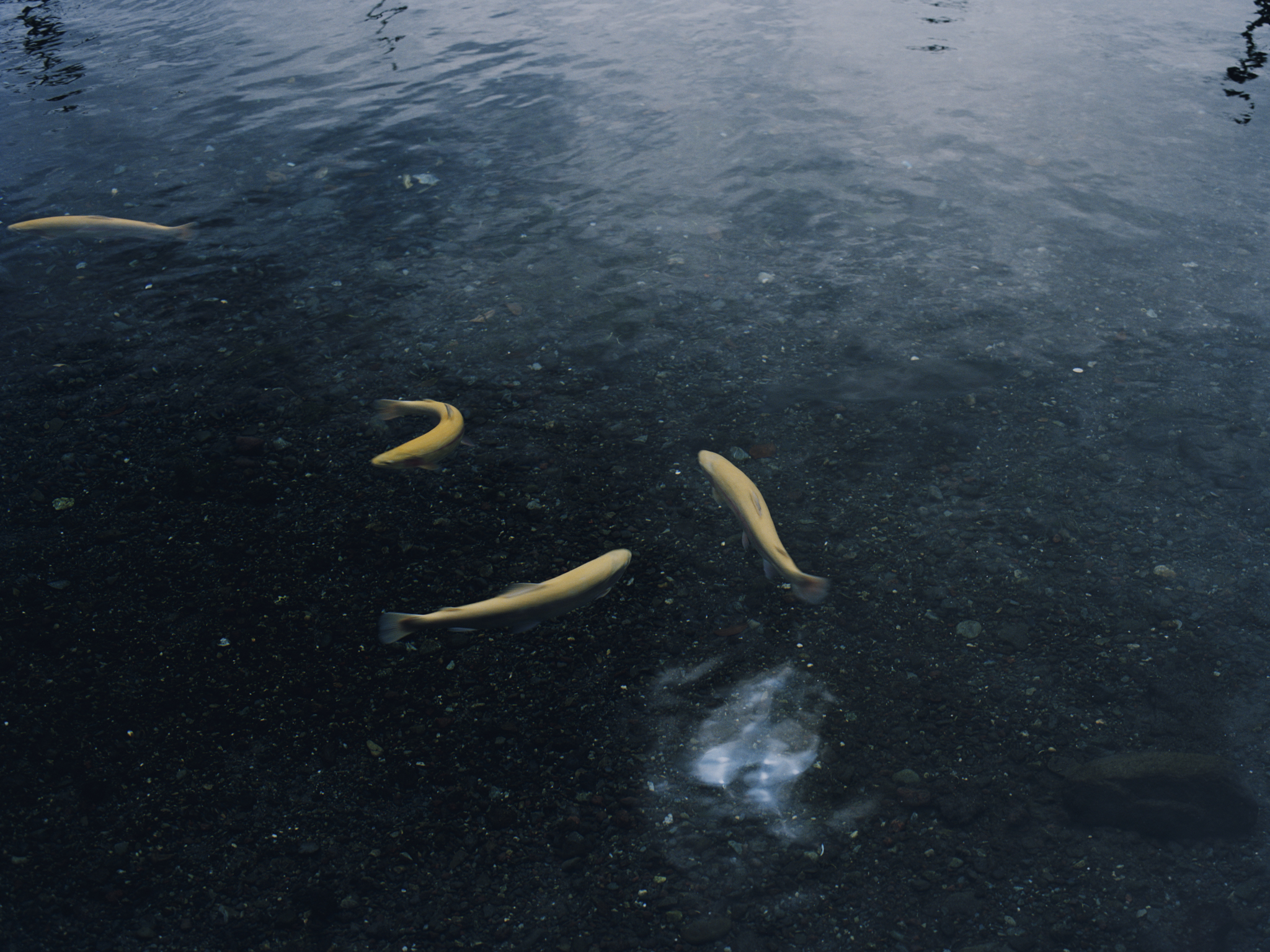
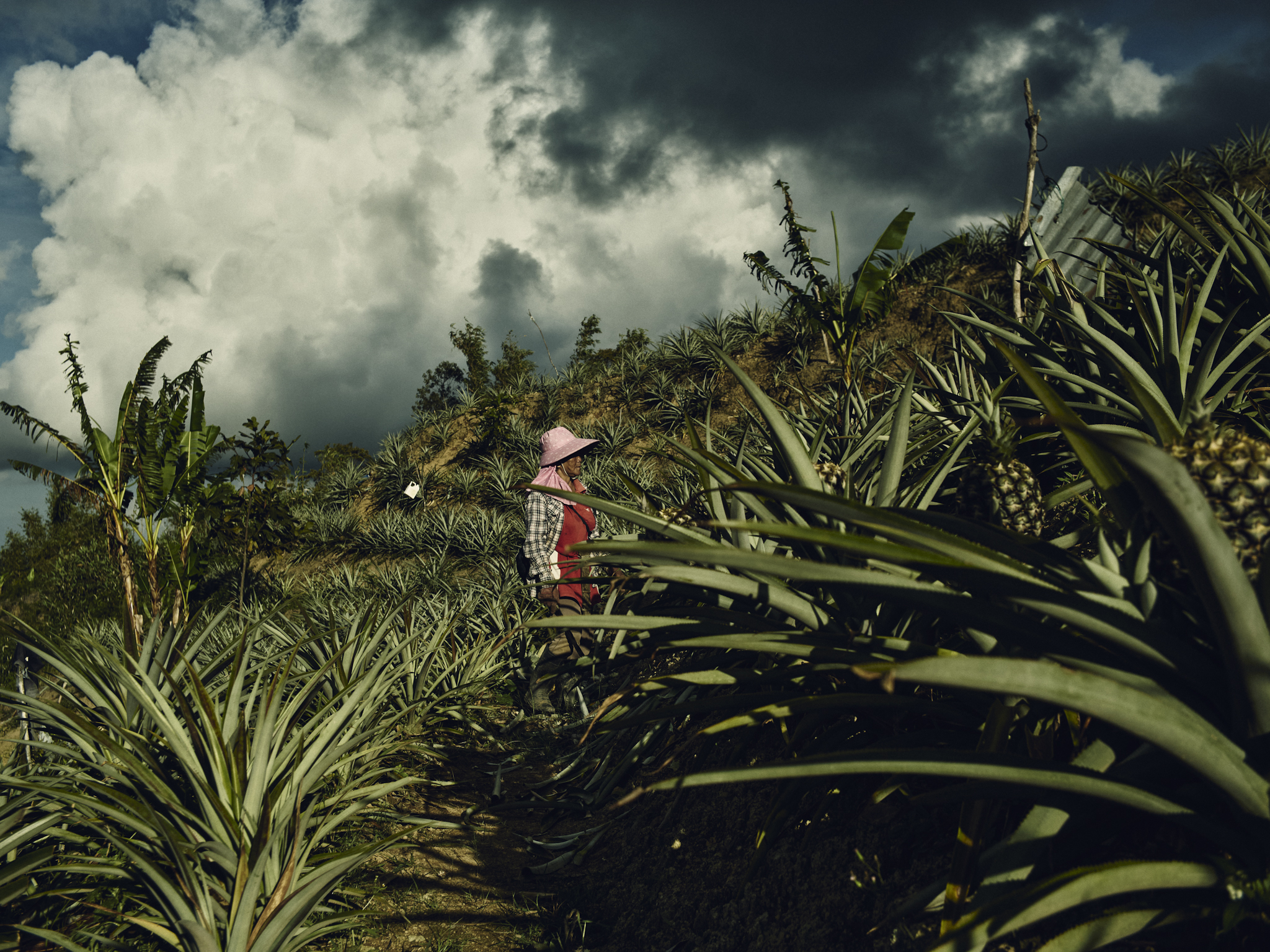
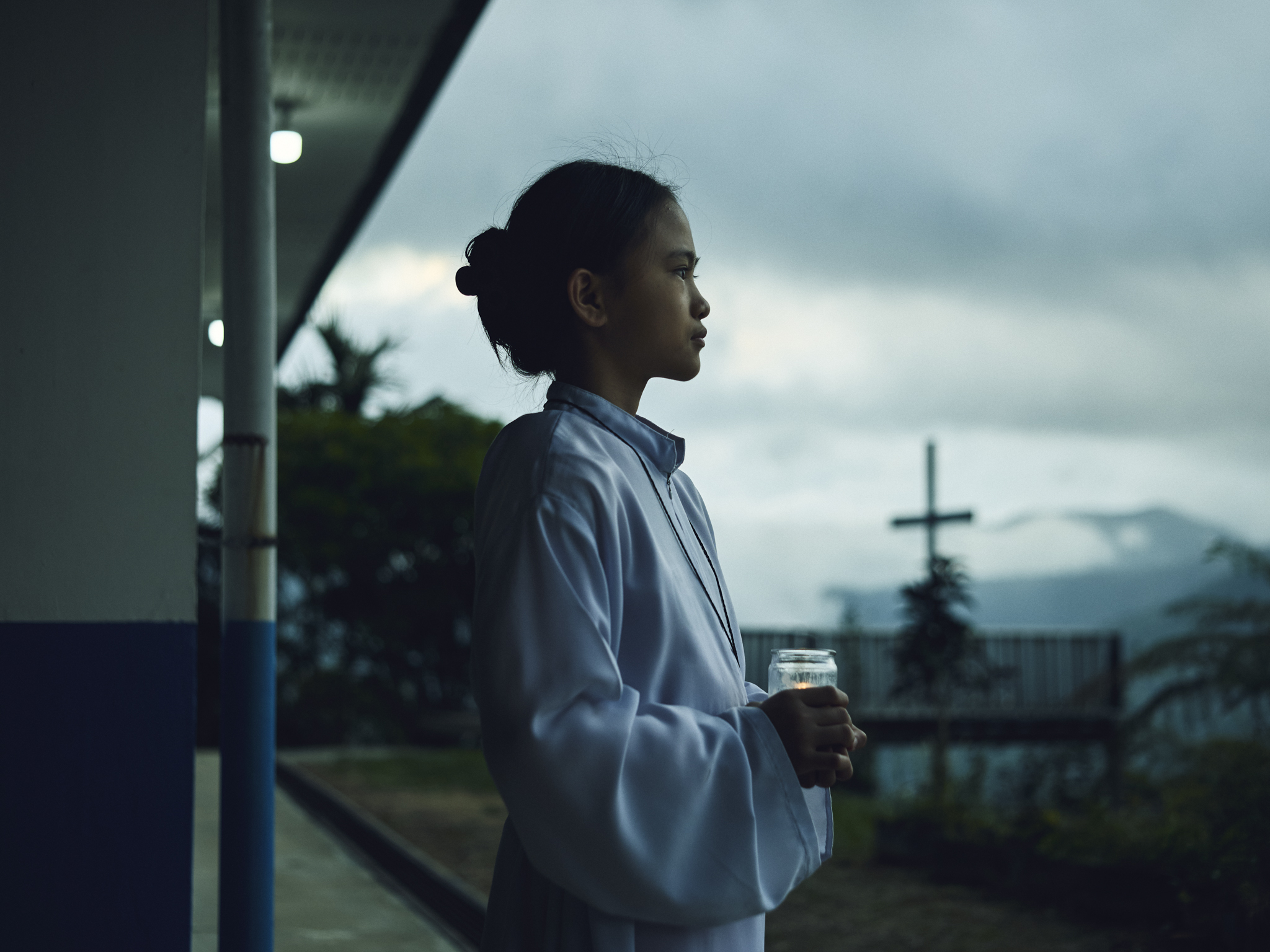
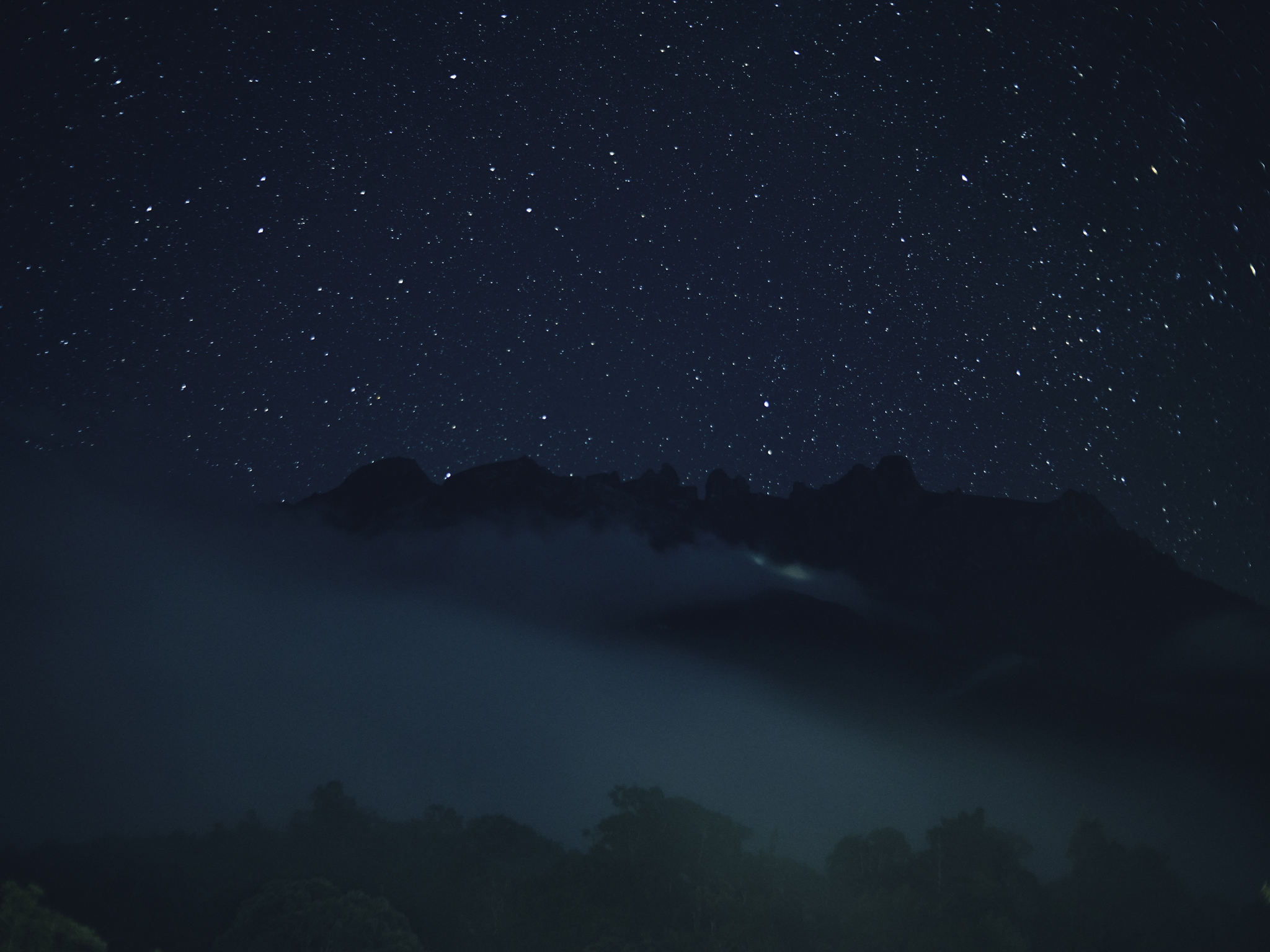
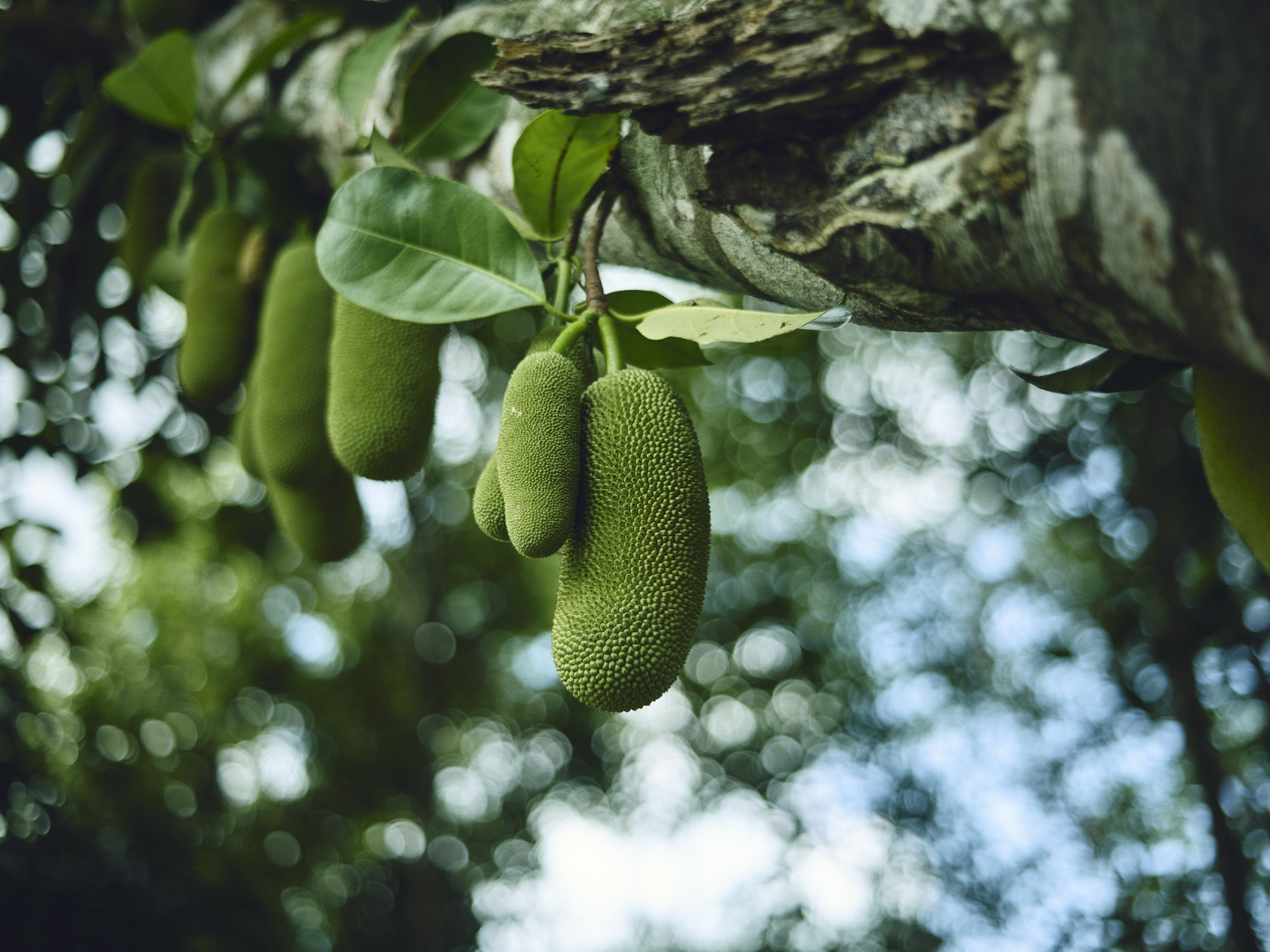
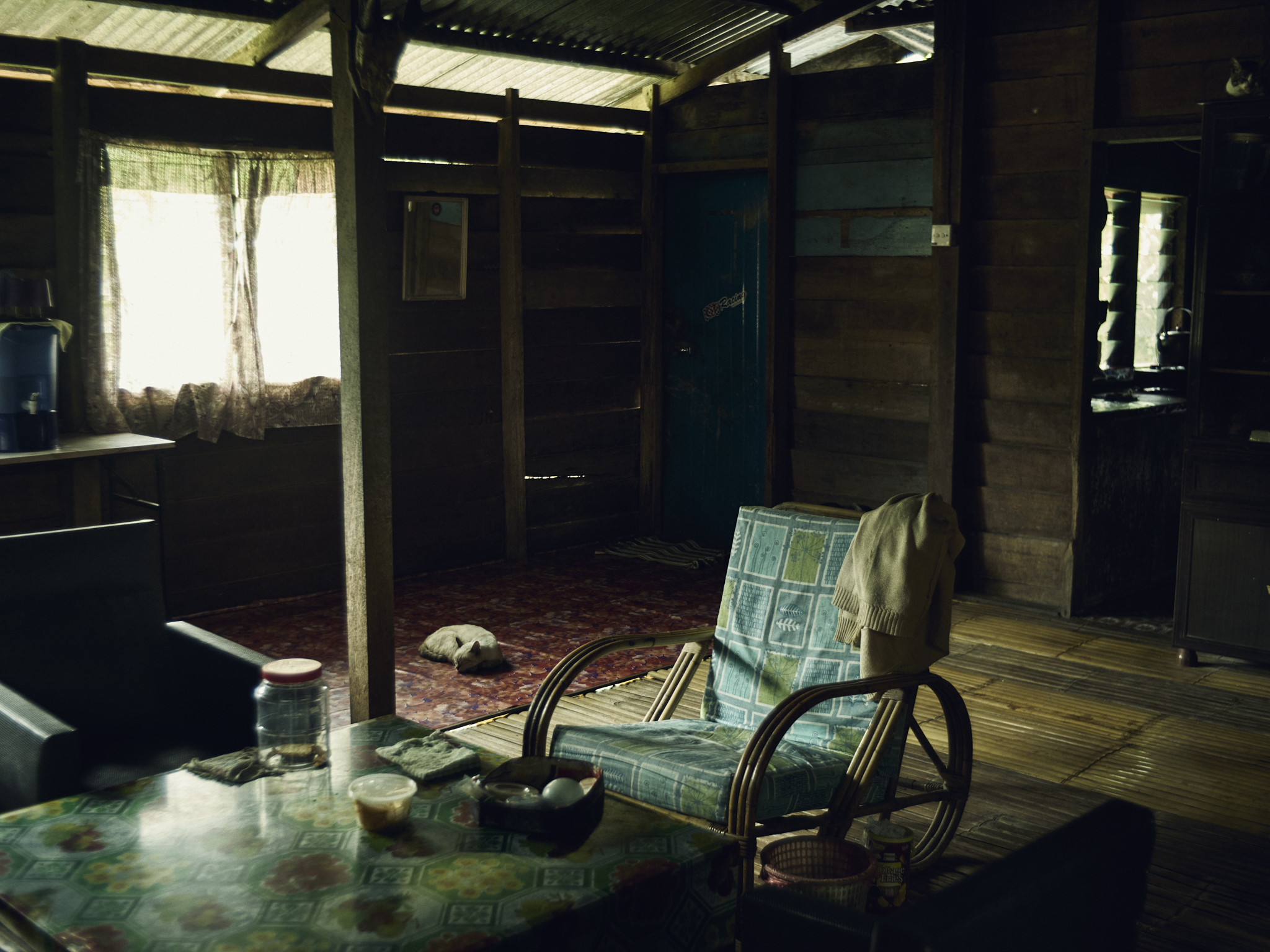
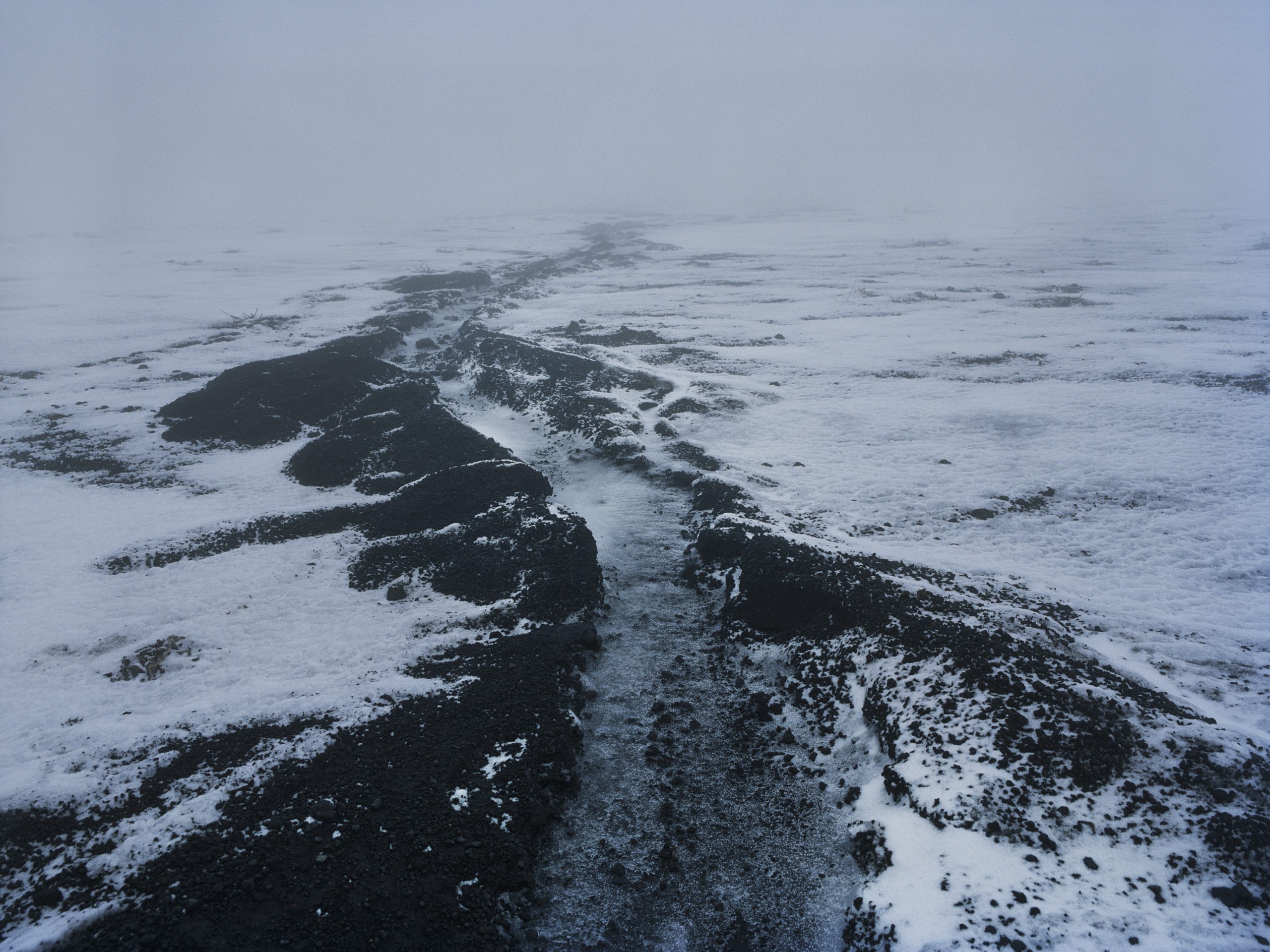
Mount Fuji, Japan’s iconic and solitary peak, and Mount Kinabalu, the highest mountain in Southeast Asia. These two mountains, rising to 3,776 meters and 4,095 meters respectively, captivate us with their majestic presence, but we must not forget that they have continued to provide us with indispensable blessings such as fruit and water. As time has passed, our sense of reverence for the mountains has faded, and the fact that they were once objects of worship has also faded from people’s consciousness. Yet the mountains continue to overflow with the source of our lives, letting it drip down drop by drop.
A few years ago, when I sensed the “place of origin” in the forest, wasn’t it because something that had dripped down from the mountains was filling our empty bodies? Those two mountains taught me that.
2011年5月。「日本を歩こう」と決め、飛行機で鹿児島へと飛んだ。
新たな旅が始まる高揚感なのか、東日本大震災の残した不安からなのか、眠ることができず窓から見える風景を僕はただ眺めていた。着陸に向けて飛行機が高度を下げると、眼下には春の森が広がっていた。5月の森は美しく、まるでパッチワークのようだった。常緑樹の濃い緑と、落葉樹の新緑。泡のように浮かぶ白い栗の花。淡い青紫の山藤。
その時ふと、「ああ、山が全ての豊かさのはじまりなんだな」と思ったのを覚えている。
あれからさまざまな場所を歩いてきたが、その時の感覚は旅を重ねるごとに確かなものになっていった。農業の風景も、海の恵みも、川の流れも。みな山と森を背に、広がっている。
山が私たちのはじまりの場所であることを、今僕は確かに感じている。
日本を代表する孤高の山である富士山と、東南アジア最高峰キナバル山。高度3776メートルと4095メートルにもおよぶ二つの山は、その雄大な佇まいに目を奪われるが、僕たちに果実や水といった欠かすことのできない恵みを与え続けてきたことを忘れてはならない。時代と共に山に対する畏敬の念は薄れ、かつて信仰の対象であったことも人々の意識から薄れていったが、山には変わらず僕たちの命の源があふれ、ポタポタとこぼれ落ちている。
数年前、僕が森に「はじまりの場所」を感じたのは、僕たちの空っぽの体の中に山からこぼれ落ちた何かが満たされているからではないだろうか。二つの山がそう僕に教えてくれた。
Credit
Photogpraher
Profile

写真家。1981年生まれ。本橋成一に師事。 2012年、ネパールで生きる少女の半生を追った『ゴマの洋品店』にて日本写真協会賞新人賞を受賞。 東日本大震災以降、日本各地における風土と人間の関係性を主題にとした作品を制作。 主な作品に『耕す人』『暦川』『光の地形』『NEMURUSHIMA』『Dropped Water, Dropped Fruit』など。 近年は、父との関係性を起点に、ごく私的な領域へと視点を移しながら、日々の身近な情景を記録したスナップ作品『煙と水蒸気』を継続的に発表している。 2024年、日本写真協会賞作家賞受賞。
© 2026 Kentaro Kumon